



GFC

Need An Appointment?
Drop Your Number here
GFC Hair Fall Treatment in Jaipur – Natural Hair Regrowth
Hair thinning and excessive hair shedding can occur for several reasons, including hereditary hair loss, hormonal changes, nutritional deficiencies, and scalp conditions. GFC (Growth Factor Concentrate) therapy is a blood-derived treatment being used for certain types of hair loss. At Bansal Skin Solutions, Jaipur, Dr. Nidhi Bansal evaluates your hair and scalp condition to determine whether GFC treatment or another approach may be appropriate. The expected benefits, limitations, and possible risks are discussed before treatment.
What is GFC Hair Treatment?
GFC (Growth Factor Concentrate) therapy is an advanced hair restoration procedure that uses your body’s own natural growth factors to rejuvenate weak or inactive hair follicles.
Unlike traditional PRP treatments, GFC is a purer and more potent version — it isolates the active growth factors that directly stimulate new hair growth and reduce hair shedding.
This provides an advanced non-surgical alternative designed to nourish follicles and support hair density with minimal discomfort and well-tolerated recovery.
At Bansal Skin Solutions, every session is done with precision and hygiene, prioritizing patient safety and gradual hair density improvement over the recommended number of sessions.
Benefits of Growth Factor Concentrate (GFC) Treatment:
- Noticeable reduction in daily hair fall
- Regrowth of baby hair in thinning areas
- Improved hair thickness and volume
- Natural shine and scalp rejuvenation
- Natural, autologous growth factors with minimal risk of adverse reaction
- Safe for both men and women
At Bansal Skin Solutions, GFC treatment plans are tailored to each patient's hair loss condition following a dermatological consultation.

How GFC Hair Fall Treatment Works
- Blood Collection: A small amount of your blood is taken.
- Extraction Process: Growth factors are carefully separated using a sterile GFC kit.
- Injection into the Scalp: The concentrated growth factors are injected into the scalp to reactivate dormant follicles and strengthen weak roots.
Within a few weeks, patients notice reduced hair fall, followed by thicker, stronger, and healthier hair growth.
Who Should Consider GFC Hair Fall Treatment
You’re an ideal candidate if you are:
- Facing genetic or hormonal hair loss (androgenetic alopecia)
- Experiencing post-pregnancy or stress-related hair fall
- Dealing with seasonal or nutritional hair thinning
- Wanting to avoid hair transplant surgery
- Looking for a natural, science-backed solution
During your consultation, Dr. Nidhi Bansal performs a trichoscopic scalp analysis to understand the exact cause of your hair loss and build a plan that delivers real, lasting results.
Need An Appointment?
Drop Your Number here
GFC vs PRP – The Smarter Upgrade
While both GFC and PRP are regenerative, GFC delivers purer growth factors, which makes it more efficient and less painful.
| Feature | GFC Therapy | PRP Therapy |
|---|---|---|
| Source | Patient's own blood | Patient's own blood |
| Preparation | Growth-factor concentration process | Platelet concentration process |
| Clinical evidence | Limited and evolving | More studied, but results vary |
| Number of sessions | Individualised | Individualised |
| Results | Not guaranteed | Not guaranteed |
| Side effects | Injection-related risks | Injection-related risks |
If you’ve tried PRP and didn’t get the desired outcome, GFC therapy could be the breakthrough your scalp needs.
GFC Hair Treatment Cost in Jaipur
The cost of GFC hair treatment in Jaipur can vary depending on the number of sessions recommended, the treatment protocol and the patient's hair loss condition.
At Bansal Skin Solutions, Dr. Nidhi Bansal first evaluates your scalp, hair density and pattern of hair loss before discussing whether GFC therapy is suitable for you.
The overall treatment cost may depend on:
- Number of Sessions: Some patients may be advised to undergo multiple sessions, depending on their condition and response.
- Extent of Hair Loss: The treatment plan may differ based on the areas affected.
- Treatment Protocol: The preparation method, materials, and clinical requirements can influence the cost.
- Additional Care: Consultation, investigations, prescribed medications, or follow-up visits may involve separate charges.
How much does one GFC session cost?
For the current per-session price and any available treatment packages, please contact Bansal Skin Solutions directly. The clinic can explain the applicable charges before you decide whether to proceed.
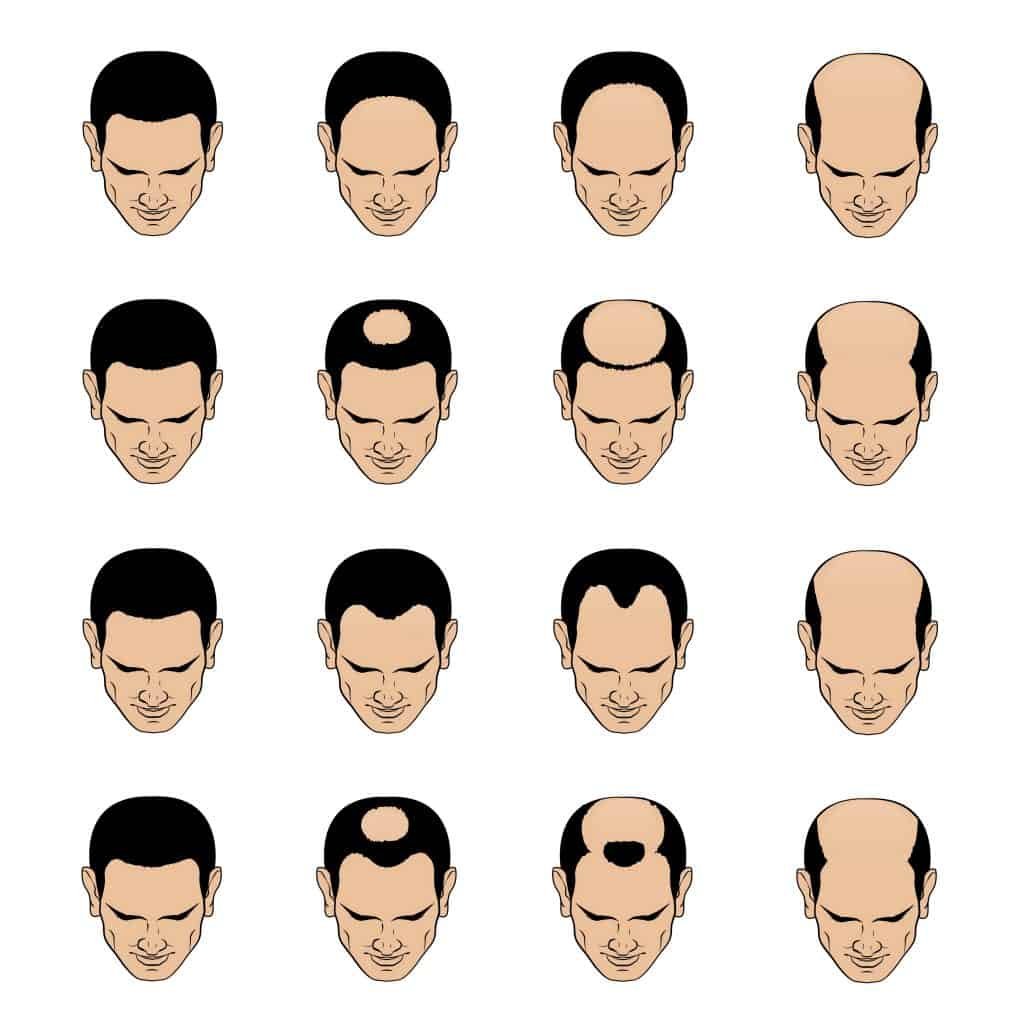 Is GFC Suitable for Every Type of Hair Loss?
GFC (Growth Factor Concentrate) therapy is not suitable for every type of hair loss. The underlying cause needs to be identified before choosing a treatment.
GFC may be considered in selected cases of:
- Pattern Hair Loss: Some patients with androgenetic alopecia may be considered for GFC therapy as an additional treatment, although evidence of its effectiveness remains limited.
- Early Hair Thinning: Patients experiencing gradual hair thinning may benefit from an assessment to determine whether GFC or another treatment is appropriate.
- Hair Density Concerns: GFC may be discussed in selected cases where hair follicles remain active, but improvement cannot be guaranteed.
When might GFC not be the right choice?
GFC is not necessarily appropriate for hair loss caused by nutritional deficiencies, thyroid disorders, active scalp infections or certain autoimmune conditions.
For example, alopecia areata requires a diagnosis-specific treatment approach, while advanced scarring alopecia may involve permanent follicular damage.
Certain blood disorders, active infections and other medical conditions may also affect treatment suitability.
At Bansal Skin Solutions, Dr. Nidhi Bansal assesses your medical history and scalp condition before recommending GFC or an alternative treatment.
GFC Hair Treatment Side Effects & Risks
GFC therapy uses components derived from the patient's own blood. However, this does not mean the procedure is completely painless or free from side effects.
Because the treatment involves blood collection and scalp injections, some temporary reactions may occur.
Possible side effects include:
- Scalp Discomfort: Mild pain or tenderness at the injection sites.
- Redness or Swelling: Temporary irritation in the treated areas.
- Minor Bruising: Small bruises may develop after blood collection or scalp injections.
- Headache or Sensitivity: Some patients may experience temporary discomfort after treatment.
- Infection: Although uncommon with appropriate sterile techniques, infection remains a potential risk.
Patients may also experience little or no noticeable improvement despite completing treatment.
What to Expect After GFC Hair Treatment
Most patients can return to routine activities relatively soon after GFC treatment, although recovery instructions may vary depending on the procedure and individual response.
Mild scalp tenderness, redness or swelling may occur temporarily.
Aftercare Tips Following GFC Therapy
- Follow Your Dermatologist's Instructions: Ask when you can safely wash your hair and resume your usual scalp-care routine.
- Avoid Irritating the Scalp: Do not scratch, rub or apply harsh products to sensitive injection sites.
- Discuss Hair Products: Check with your dermatologist before restarting medicated scalp treatments or styling products.
- Monitor Unusual Symptoms: Contact the clinic if you experience increasing pain, persistent swelling, spreading redness, fever or discharge.
- Attend Follow-Up Visits: Your dermatologist may review scalp photographs, hair shedding patterns and treatment response over time.
When Will You Notice Results?
Hair growth occurs gradually, and any response to GFC therapy may take several months to assess.
Some patients may notice changes in shedding or hair appearance, while others may not experience a meaningful improvement.
The response depends on the cause of hair loss, follicle condition, concurrent treatment, and individual factors.
GFC Hair Treatment Results: What Does Research Say?
GFC therapy is being studied as a possible treatment for certain forms of hair loss, particularly androgenetic alopecia (pattern hair loss).
It involves preparing growth-factor-rich components from a patient's blood and injecting them into selected areas of the scalp.
Growth factors are involved in biological processes associated with tissue repair and hair follicle activity. However, the presence of growth factors does not automatically establish that the treatment will produce clinically meaningful hair regrowth.
What Does the Current Evidence Suggest?
Early clinical studies have reported improvements in certain hair measurements among some patients receiving GFC therapy.
However, the available research has limitations, including relatively small study populations, differences in treatment protocols and limited long-term follow-up.
There is currently insufficient high-quality evidence to conclude that GFC consistently works better than PRP or established medical treatments for hair loss.
Are GFC Results Permanent?
GFC should not be described as a permanent cure for hair loss.
Conditions such as androgenetic alopecia are progressive, and any improvement may not be sustained without appropriate ongoing management.
Patients considering GFC should discuss realistic expectations, uncertainty about long-term effectiveness, costs and alternative treatments with a qualified dermatologist.
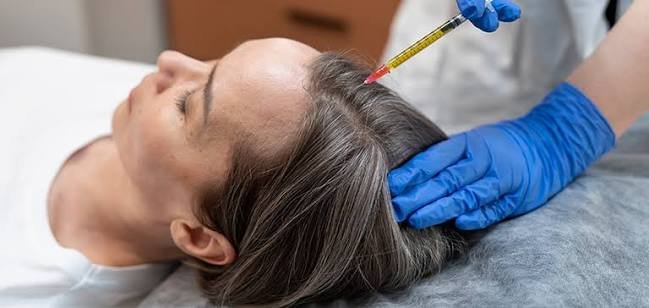
Alternatives to GFC Hair Fall Treatment
GFC is not the only treatment option for hair loss. Depending on the diagnosis, a dermatologist may recommend established medical treatments, correction of underlying conditions or other procedures.
1. Topical Minoxidil
Minoxidil is commonly used for certain types of pattern hair loss. It may help improve hair growth in suitable patients, although regular use is generally needed to maintain its benefits.
2. Prescription Hair Loss Medicines
Medicines such as finasteride may be considered for appropriate adult patients with androgenetic alopecia. These treatments require an individual assessment of potential benefits, side effects and contraindications.
3. PRP Hair Treatment
Platelet-Rich Plasma (PRP) therapy involves preparing platelet-rich components from a patient's blood and injecting them into the scalp.
PRP has been studied for pattern hair loss, but treatment responses vary and clinical protocols are not fully standardised.
4. Treatment of Underlying Medical Conditions
Hair shedding caused by iron deficiency, thyroid disorders, nutritional problems or other medical conditions may require treatment of the underlying cause rather than an injection-based procedure.
5. Hair Transplantation
For selected patients with established pattern hair loss, hair transplantation may be an option. Suitability depends on donor hair availability, scalp condition, the pattern of hair loss and realistic expectations.
 Meet Dr. Nidhi Bansal for GFC Hair Fall Treatment in Jaipur
Dr. Nidhi Bansal is an MBBS and MD-qualified dermatologist at Bansal Skin Solutions, Jaipur, with over 11 years of overall medical experience since completing her MBBS in 2015.
She completed her specialisation in Dermatology, Venereology & Leprosy in 2022. Her clinical practice includes assessing and managing skin, hair, and scalp conditions.
For patients considering GFC therapy, Dr. Nidhi evaluates the type and extent of hair loss, discusses available treatment options, and explains the potential benefits and limitations before recommending a treatment plan.
Rajasthan Medical Council (RMC): Registration No. 36844
Specialist Dermatology Experience: MD-qualified dermatologist since 2022, with specialist practice in skin, hair, and scalp conditions.
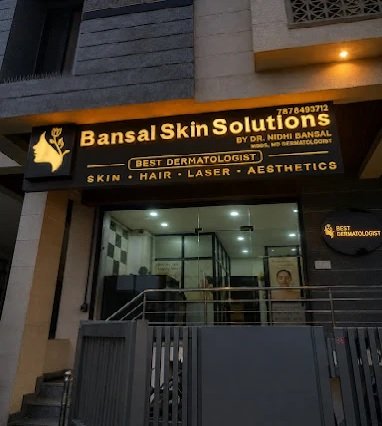 Why Choose Bansal Skin Solutions for GFC Hair Treatment in Jaipur?
Choosing the right clinic for hair loss treatment starts with understanding your condition and available options. Located in Mahesh Nagar, Jaipur, Bansal Skin Solutions provides dermatologist-led consultations and personalised treatment planning for people experiencing hair thinning and hair loss.
- Qualified Dermatologist: Consult Dr. Nidhi Bansal (MBBS, MD Dermatology) for a professional assessment of your hair and scalp condition.
- Hygiene & Patient Safety: A clinical approach that prioritises hygiene, appropriate precautions, and patient comfort during treatment.
- Personalised Treatment Plans: Recommendations based on your hair loss pattern, medical history, scalp condition, and treatment suitability.
- Clear Treatment Guidance: Understand the GFC procedure, possible side effects, expected outcomes, limitations, and applicable costs before making a decision.
- Follow-Up Care: Guidance on post-treatment scalp care and follow-up assessments to monitor your response.
If you're considering GFC hair treatment, you can book a consultation to discuss your hair loss concerns and find out whether GFC or another hair fall treatment in Jaipur may be appropriate for you.
Book Your Consultation Today
Hair loss doesn’t have to be permanent. With the right treatment and expert care, you can bring your hair — and your confidence — back.
Visit Bansal Skin Solutions, Jaipur’s trusted dermatology clinic, and consult Dr. Nidhi Bansal, one of the city’s most respected hair and skin specialists.
Medically Reviewed by Dr. Nidhi Bansal
MBBS, MD – Dermatology, Venereology & Leprosy
Last Medically Reviewed: 22/10/2026
This page has been reviewed by Dr. Nidhi Bansal for medical accuracy, including information about GFC hair treatment, its potential benefits, limitations, possible side effects, and alternative treatments.
The information is intended to help patients understand their options and does not replace an individual dermatology consultation.
Medical References
The following resources provide additional information about hair loss, available treatments and research into blood-derived therapies.
-
American Academy of Dermatology (AAD) – Hair Loss: Diagnosis and Treatment
https://www.aad.org/public/diseases/hair-loss -
PubMed – Growth Factor Concentrate (GFC) and Androgenetic Alopecia Research
https://pubmed.ncbi.nlm.nih.gov/?term=growth+factor+concentrate+androgenetic+alopecia -
PubMed – Platelet-Rich Plasma (PRP) for Hair Loss Research
https://pubmed.ncbi.nlm.nih.gov/?term=platelet+rich+plasma+androgenetic+alopecia -
Indian Association of Dermatologists, Venereologists and Leprologists (IADVL)
https://www.iadvl.org/
Note: Research into GFC therapy is still developing. These resources provide general clinical information and relevant research; they do not establish that GFC is effective or appropriate for every patient.
Medical Disclaimer
The information on this page is for general educational purposes only and should not be considered personalised medical advice. GFC therapy may not be suitable for every type of hair loss. Consult a qualified dermatologist to understand the potential benefits, risks, limitations and alternatives before undergoing treatment.
What Our Patients Say
Real experiences and feedback from patients treated by Dr. Nidhi Bansal for skin, hair, and laser care in Jaipur.
“Dr. Nidhi Bansal is an exceptional dermatologist. She listens patiently, diagnoses accurately, and provides effective, customized clinical treatments. Highly recommended for skin care in Jaipur.”
“I consulted with Dr Nidhi Bansal after one of my friends suggested. The doctor is very calm and well versed with the solutions. I definitely liked the way she made me understand my scalp and hair issues. I am very happy with my experience.”
“I was suffering from severe acne on my face. Dr Nidhi told me in detail about the treatment options and customized the procedures for my skin. My redness and acne have reduced noticeably and I am so happy with the care provided.”
“Best doctor! I always visit Dr Nidhi skin clinic whenever I have any skin problems. Dr. Nidhi is such a humble and trusted doctor. I was dealing with persistent pimples and marks, and after taking treatment here, my skin has cleared up significantly.”
“Dr. Nidhi Bansal listens with immense patience and explains the exact diagnosis and treatment path clearly. The clinic is extremely clean and welcoming. Highly recommended skin specialist in Jaipur.”
“Professional approach, polite staff, and genuine medical advice without unnecessary expensive procedures. Excellent experience at Bansal Skin Solutions for dermatological care.”
FAQs
No, GFC therapy is minimally invasive and almost painless. Numbing cream is applied for comfort.
Typically 3–4 sessions spaced 4 weeks apart provide noticeable improvement.
Hair shedding reduces after the first session, and visible regrowth appears within 2–3 months.
Yes. Dr. Nidhi Bansal often combines it with medications or laser therapy for enhanced results.
The duration of GFC treatment results varies depending on the underlying cause of hair loss, individual response, and ongoing hair care. Your dermatologist may recommend follow-up treatment or maintenance based on your progress.
Medical Advisory & Treatment Suitability
Clinical Suitability: All dermatological, hair loss, and aesthetic laser treatments require an in-person diagnostic evaluation with Dr. Nidhi Bansal (MBBS, MD Dermatology – RMC Reg. 36844) to assess suitability, skin/scalp type, and rule out medical contraindications.
Individual Response: Clinical outcomes, timelines, and required session counts differ between patients depending on individual physiological response, underlying etiology, and adherence to aftercare. Medical procedures do not guarantee uniform or permanent results.
Pre-Treatment Discussion: Possible transient side effects (such as mild redness, temporary swelling, or sensitivity) and home-care protocols are discussed transparently prior to beginning any procedure.