



Skin Allergies
Need An Appointment?
Drop Your Number here
Skin Allergies: Causes, Symptoms, and Effective Treatments
Skin allergies are common conditions that occur when the immune system reacts abnormally to certain substances, known as allergens. These reactions can cause redness, itching, swelling, rashes, or hives and may appear anywhere on the body. While most skin allergies are not life-threatening, they can significantly affect comfort, appearance, and quality of life. Understanding the causes, symptoms, types, and treatment options is essential for effectively managing skin allergies and preventing flare-ups.
Causes of Skin Allergies
Skin allergies occur when the immune system overreacts to harmless substances. Common triggers include:
-
Environmental Allergens:
-
Pollen, dust mites, pet dander, and mold can cause allergic reactions on the skin, particularly in sensitive individuals.
-
-
Food Allergies:
-
Certain foods, including nuts, shellfish, eggs, and dairy, can trigger skin reactions such as hives or eczema.
-
-
Chemical Irritants:
-
Harsh soaps, detergents, perfumes, and cleaning products can irritate the skin and provoke allergic responses.
-
-
Cosmetic Products:
-
Makeup, skincare creams, and hair dyes may contain allergens that cause contact dermatitis or rashes.
-
-
Medications:
-
Some drugs, including antibiotics, pain relievers, and vaccines, can trigger allergic skin reactions in sensitive individuals.
-
-
Insect Bites and Stings:
-
Bites from mosquitoes, bees, or other insects may cause localized swelling, redness, and itching due to allergic responses.
-
-
Clothing and Fabrics:
-
Certain fabrics like wool or synthetic materials may irritate sensitive skin, leading to rashes or eczema flare-ups.
-
Symptoms of Skin Allergies
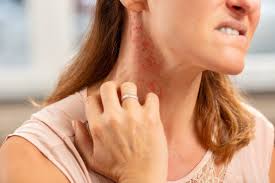
The symptoms of skin allergies vary depending on the allergen and individual sensitivity but commonly include:
-
Redness, swelling, or inflammation
-
Itching or burning sensation
-
Hives or raised welts on the skin
-
Rash, bumps, or blisters
-
Dry, scaly, or cracked skin
-
In severe cases, pain or discomfort in affected areas
Symptoms can appear immediately after exposure to an allergen or develop gradually over hours or days.
Need An Appointment?
Drop Your Number here
Types of Skin Allergies
Skin allergies can manifest in several forms, depending on the cause and severity:
-
Contact Dermatitis:
-
Occurs when the skin comes in direct contact with an allergen or irritant.
-
Common triggers include soaps, detergents, cosmetics, and jewelry.
-
Symptoms include redness, itching, swelling, and blisters.
-
-
Atopic Dermatitis (Eczema):
-
A chronic skin condition often linked to genetic factors and immune system sensitivity.
-
Characterized by dry, itchy, and inflamed skin, commonly appearing on hands, elbows, or knees.
-
-
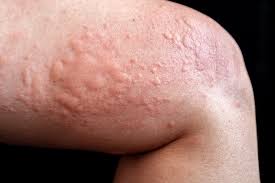
Urticaria (Hives):
-
Raised, red, itchy welts that appear suddenly due to allergic reactions to food, medications, or insect bites.
-
Hives may vary in size and can appear anywhere on the body.
-
-
Drug-Induced Skin Allergies:
-
Reactions to certain medications can result in rashes, redness, or hives.
-
Severe reactions may require immediate medical attention.
-
-
Photoallergic Reactions:
-
Occur when sunlight interacts with certain chemicals in medications or cosmetics, causing rashes or redness.
-
Treatment Options for Skin Allergies
Treatment depends on the type and severity of the allergy. Early intervention can prevent complications and provide relief from discomfort.
-
Avoiding Triggers:
-
Identifying and avoiding allergens is the first and most effective step in managing skin allergies.
-
-
Topical Treatments:
-
Corticosteroid Creams: Reduce inflammation, redness, and itching.
-
Antihistamine Creams: Provide relief from itching and allergic reactions.
-
Moisturizers: Help soothe dry, irritated skin, especially in eczema.
-
-
Oral Medications:
-
Antihistamines: Reduce itching and prevent the spread of hives or rashes.
-
Oral Steroids: Prescribed for severe allergic reactions to reduce inflammation quickly.
-
-
Cool Compresses and Baths:
-
Applying cool compresses or taking oatmeal baths can relieve itching and soothe inflamed skin.
-
-
Immunotherapy:
-
In cases of severe or persistent allergies, allergy shots or immunotherapy may help desensitize the immune system to specific allergens.
-
What Our Patients Say
Real experiences and feedback from patients treated by Dr. Nidhi Bansal for skin, hair, and laser care in Jaipur.
“Dr. Nidhi Bansal is an exceptional dermatologist. She listens patiently, diagnoses accurately, and provides effective, customized clinical treatments. Highly recommended for skin care in Jaipur.”
“I consulted with Dr Nidhi Bansal after one of my friends suggested. The doctor is very calm and well versed with the solutions. I definitely liked the way she made me understand my scalp and hair issues. I am very happy with my experience.”
“I was suffering from severe acne on my face. Dr Nidhi told me in detail about the treatment options and customized the procedures for my skin. My redness and acne have reduced noticeably and I am so happy with the care provided.”
“Best doctor! I always visit Dr Nidhi skin clinic whenever I have any skin problems. Dr. Nidhi is such a humble and trusted doctor. I was dealing with persistent pimples and marks, and after taking treatment here, my skin has cleared up significantly.”
“Dr. Nidhi Bansal listens with immense patience and explains the exact diagnosis and treatment path clearly. The clinic is extremely clean and welcoming. Highly recommended skin specialist in Jaipur.”
“Professional approach, polite staff, and genuine medical advice without unnecessary expensive procedures. Excellent experience at Bansal Skin Solutions for dermatological care.”
FAQs
Skin allergies present as hives (urticaria), contact dermatitis, redness, swelling, burning, and severe itching. They can be triggered by cosmetics, metals (nickel jewelry), medications, plants, pet dander, or food items.
Through comprehensive clinical history, allergy patch testing, elimination protocols, and blood tests (like total serum IgE), Dr. Nidhi Bansal pinpoints specific contact allergens or systemic triggers.
Non-sedating prescription antihistamines, topical anti-inflammatory creams, cool compresses, skin barrier-repair agents, and, in severe chronic urticaria, advanced biologic therapies or short-course immunomodulators.
Yes. Hair dyes containing PPD (paraphenylenediamine) and fragrances or preservatives in cosmetics are common causes of allergic contact dermatitis, often showing symptoms 24 to 48 hours after exposure.
Wash the area with cool water, avoid rubbing or applying unverified home remedies, and seek immediate dermatological care. If accompanied by facial swelling, breathing difficulty, or dizziness, seek emergency medical care immediately.
Medical Advisory & Treatment Suitability
Clinical Suitability: All dermatological, hair loss, and aesthetic laser treatments require an in-person diagnostic evaluation with Dr. Nidhi Bansal (MBBS, MD Dermatology – RMC Reg. 36844) to assess suitability, skin/scalp type, and rule out medical contraindications.
Individual Response: Clinical outcomes, timelines, and required session counts differ between patients depending on individual physiological response, underlying etiology, and adherence to aftercare. Medical procedures do not guarantee uniform or permanent results.
Pre-Treatment Discussion: Possible transient side effects (such as mild redness, temporary swelling, or sensitivity) and home-care protocols are discussed transparently prior to beginning any procedure.