



Lichen Planus
Need An Appointment?
Drop Your Number here
Lichen Planus: Causes, Symptoms, and Effective Treatment
Lichen Planus is a chronic inflammatory condition that affects the skin, hair, nails, and mucous membranes, causing discomfort and visible lesions. While it is not contagious, the condition can significantly impact quality of life due to itching, irritation, and aesthetic concerns. Understanding the causes, symptoms, and available treatment options is crucial for effective management and long-term relief.
Causes and Risk Factors
The exact cause of Lichen Planus is not fully understood, but it is believed to involve an abnormal immune response. Factors that may contribute include:
-
Autoimmune Dysfunction: The immune system attacks healthy skin or mucosa.
-
Genetic Predisposition: Family history may increase susceptibility.
-
Medications: Certain drugs, such as blood pressure medications, antimalarials, or NSAIDs, can trigger the condition.
-
Viral Infections: Hepatitis C has been linked to Lichen Planus in some cases.
-
Stress and Lifestyle Factors: Physical or emotional stress may worsen symptoms.
Identifying potential triggers can help in preventing flare-ups and tailoring treatment strategies.
Symptoms of Lichen Planus
Lichen Planus manifests differently depending on the affected area. Common signs include:
-
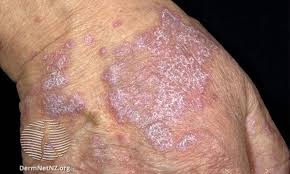
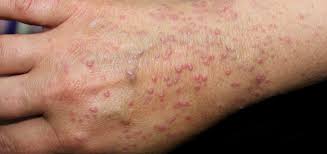
Skin Lesions: Flat-topped, purplish bumps that may appear shiny or lacy.
-
Itching: Can range from mild irritation to severe, persistent discomfort.
-
Mucosal Lesions: Painful white or reddish patches in the mouth, genitals, or throat.
-
Nail Changes: Thinning, ridging, discoloration, or separation from the nail bed.
-
Scalp Involvement: May cause redness, scaling, or permanent hair loss in severe cases.
Symptoms may worsen during flare-ups and improve during remission, making long-term monitoring essential.
Need An Appointment?
Drop Your Number here
Treatment Options for Lichen Planus
While Lichen Planus may resolve on its own in some cases, treatment is often necessary to control symptoms, reduce inflammation, and prevent complications:
1. Topical Treatments
-
Corticosteroid Creams or Ointments: Reduce inflammation and relieve itching.
-
Calcineurin Inhibitors: Useful for sensitive areas like mucosal surfaces.
-
Moisturizers: Keep the skin hydrated and prevent dryness or cracking.
2. Oral Medications
-
Antihistamines: Reduce itching and allergic responses.
-
Systemic Corticosteroids or Immunosuppressants: For severe or widespread Lichen Planus.
-
Retinoids: Help manage stubborn skin lesions.
3. Advanced Therapies
-
Phototherapy: Controlled UV light exposure may reduce inflammation.
-
Laser Treatment: Can help improve skin appearance in persistent cases.
4. Lifestyle and Home Care
-
Avoid known triggers such as harsh soaps, irritants, and certain medications.
-
Maintain good oral hygiene for mucosal lesions.
-
Manage stress through relaxation techniques, exercise, and adequate sleep.
What Our Patients Say
Real experiences and feedback from patients treated by Dr. Nidhi Bansal for skin, hair, and laser care in Jaipur.
“Dr. Nidhi Bansal is an exceptional dermatologist. She listens patiently, diagnoses accurately, and provides effective, customized clinical treatments. Highly recommended for skin care in Jaipur.”
“I consulted with Dr Nidhi Bansal after one of my friends suggested. The doctor is very calm and well versed with the solutions. I definitely liked the way she made me understand my scalp and hair issues. I am very happy with my experience.”
“I was suffering from severe acne on my face. Dr Nidhi told me in detail about the treatment options and customized the procedures for my skin. My redness and acne have reduced noticeably and I am so happy with the care provided.”
“Best doctor! I always visit Dr Nidhi skin clinic whenever I have any skin problems. Dr. Nidhi is such a humble and trusted doctor. I was dealing with persistent pimples and marks, and after taking treatment here, my skin has cleared up significantly.”
“Dr. Nidhi Bansal listens with immense patience and explains the exact diagnosis and treatment path clearly. The clinic is extremely clean and welcoming. Highly recommended skin specialist in Jaipur.”
“Professional approach, polite staff, and genuine medical advice without unnecessary expensive procedures. Excellent experience at Bansal Skin Solutions for dermatological care.”
FAQs
Lichen planus is a non-infectious inflammatory disorder that affects the skin, oral mucosa, nails, and scalp. On the skin, it classically presents as itchy, violaceous (purple), flat-topped, polygonal bumps often with fine white lines (Wickham's striae).
No. Lichen planus is not an infection and cannot spread from person to person. It is an autoimmune-mediated reaction where the body's immune cells mistakenly target skin or mucosal epithelial cells.
Treatments include potent topical corticosteroids, topical calcineurin inhibitors, oral antihistamines, and systemic immunomodulatory medications for extensive cases. Scalp and oral lichen planus require specialized monitoring to prevent scarring or tissue damage.
Yes. Lichen planopilaris affects hair follicles and can cause permanent scarring alopecia if untreated. Nail lichen planus can cause ridges, thinning, and splitting. Early dermatological intervention is crucial to preserve hair follicles and nails.
Cutaneous (skin) lichen planus often clears within 1 to 2 years with proper medical management, although dark brown spots (post-inflammatory hyperpigmentation) may take longer to fade. Mucosal and scalp variants may run a more chronic course.
Medical Advisory & Treatment Suitability
Clinical Suitability: All dermatological, hair loss, and aesthetic laser treatments require an in-person diagnostic evaluation with Dr. Nidhi Bansal (MBBS, MD Dermatology – RMC Reg. 36844) to assess suitability, skin/scalp type, and rule out medical contraindications.
Individual Response: Clinical outcomes, timelines, and required session counts differ between patients depending on individual physiological response, underlying etiology, and adherence to aftercare. Medical procedures do not guarantee uniform or permanent results.
Pre-Treatment Discussion: Possible transient side effects (such as mild redness, temporary swelling, or sensitivity) and home-care protocols are discussed transparently prior to beginning any procedure.