



Skin Infection
Need An Appointment?
Drop Your Number here
Skin Infections: Causes, Symptoms, and Effective Treatments
Skin infections are common conditions that occur when harmful microorganisms such as bacteria, viruses, or fungi invade the skin. These infections can range from mild irritations to severe, potentially dangerous conditions if left untreated. Skin acts as the first line of defense against infections, but factors like cuts, wounds, weakened immunity, or poor hygiene can allow pathogens to penetrate and multiply. Understanding the causes, symptoms, types, and treatment options is essential to manage skin infections effectively and maintain healthy skin.
Causes of Skin Infections
Skin infections develop when harmful microorganisms breach the skin’s protective barrier. The main causes include:
-
Bacterial Infections:
-
Caused by bacteria such as Staphylococcus aureus or Streptococcus pyogenes.
-
Often occur through cuts, abrasions, insect bites, or shaving injuries.
-
Examples include cellulitis, impetigo, folliculitis, and boils.
-
-
Viral Infections:
-
Viruses like the herpes simplex virus, varicella-zoster virus, and human papillomavirus (HPV) can infect the skin.
-
Common viral skin infections include cold sores, warts, chickenpox, and shingles.
-
-
Fungal Infections:
-
Caused by fungi such as dermatophytes or yeast (Candida).
-
Often thrive in warm, moist areas like feet, groin, or underarms.
-
Examples include athlete’s foot, ringworm, and candidiasis.
-
-
Parasitic Infections:
-
Parasites such as mites can infect the skin.
-
Common parasitic skin infections include scabies and lice infestations.
-
-
Other Contributing Factors:
-
Weakened immune system due to chronic illness, medications, or malnutrition.
-
Poor hygiene or excessive sweating that creates a breeding ground for microbes.
-
Skin injuries, burns, or chronic skin conditions like eczema and psoriasis.
-
Symptoms of Skin Infections
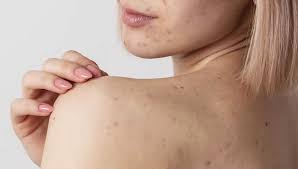
Symptoms of skin infections vary depending on the type and severity of the infection, but common signs include:
-
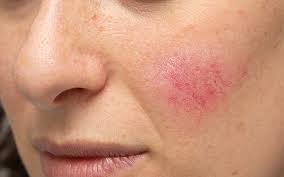
Redness, swelling, and warmth at the affected area
-
Pain, tenderness, or itching
-
Blisters, pus-filled lesions, or scaly patches
-
Foul odor in severe bacterial or fungal infections
-
Fever or malaise in systemic infections
It’s important to recognize early symptoms to prevent the infection from spreading or worsening.
Types of Skin Infections
Need An Appointment?
Drop Your Number here
Types of Skin Infections
-
Bacterial Skin Infections:
-
Impetigo: Highly contagious infection causing red sores or blisters, often around the nose and mouth.
-
Cellulitis: A deep bacterial infection causing redness, swelling, and tenderness, typically on the legs or arms.
-
Folliculitis: Infection of hair follicles causing red, pus-filled bumps.
-
Boils and Abscesses: Painful, pus-filled lumps under the skin.
-
-
Viral Skin Infections:
-
Warts: Caused by HPV, appearing as small, rough growths on hands or feet.
-
Cold Sores: Caused by herpes simplex virus, appearing as painful blisters around the lips.
-
Chickenpox and Shingles: Viral infections that cause itchy rashes and blisters.
-
-
Fungal Skin Infections:
-
Athlete’s Foot (Tinea Pedis): Itchy, red, scaly infection of the feet.
-
Ringworm (Tinea Corporis): Circular, red, ring-shaped patches on the skin.
-
Candidiasis: Yeast infection commonly affecting skin folds, causing redness and irritation.
-
-
Parasitic Skin Infections:
-
Scabies: Caused by mites burrowing into the skin, leading to intense itching and rash.
-
Lice Infestation: Infestation of hair and scalp by lice causing itching and irritation.
-
Treatment Options for Skin Infections
Treatment depends on the type and severity of the infection.
-
Bacterial Infections:
-
Topical Antibiotics: Creams or ointments for mild infections.
-
Oral Antibiotics: For more severe or widespread infections like cellulitis or abscesses.
-
Drainage: Boils or abscesses may require professional drainage.
-
-
Viral Infections:
-
Antiviral Medications: Reduce severity and duration of infections like herpes or shingles.
-
Topical Creams: For warts or cold sores to relieve symptoms.
-
Supportive Care: Rest, hydration, and pain relief for viral rashes like chickenpox.
-
-
Fungal Infections:
-
Topical Antifungal Creams: Effective for mild cases like athlete’s foot or ringworm.
-
Oral Antifungal Medications: Used for severe or resistant infections.
-
Keeping Skin Dry: Reduces fungal growth and prevents recurrence.
-
-
Parasitic Infections:
-
Medicated Creams or Lotions: Used to treat scabies and other mite infestations.
-
Shampoos and Combs: Effective for lice removal.
-
Hygiene Measures: Washing clothes, bedding, and personal items to prevent reinfestation.
-
What Our Patients Say
Real experiences and feedback from patients treated by Dr. Nidhi Bansal for skin, hair, and laser care in Jaipur.
“Dr. Nidhi Bansal is an exceptional dermatologist. She listens patiently, diagnoses accurately, and provides effective, customized clinical treatments. Highly recommended for skin care in Jaipur.”
“I consulted with Dr Nidhi Bansal after one of my friends suggested. The doctor is very calm and well versed with the solutions. I definitely liked the way she made me understand my scalp and hair issues. I am very happy with my experience.”
“I was suffering from severe acne on my face. Dr Nidhi told me in detail about the treatment options and customized the procedures for my skin. My redness and acne have reduced noticeably and I am so happy with the care provided.”
“Best doctor! I always visit Dr Nidhi skin clinic whenever I have any skin problems. Dr. Nidhi is such a humble and trusted doctor. I was dealing with persistent pimples and marks, and after taking treatment here, my skin has cleared up significantly.”
“Dr. Nidhi Bansal listens with immense patience and explains the exact diagnosis and treatment path clearly. The clinic is extremely clean and welcoming. Highly recommended skin specialist in Jaipur.”
“Professional approach, polite staff, and genuine medical advice without unnecessary expensive procedures. Excellent experience at Bansal Skin Solutions for dermatological care.”
FAQs
Dr. Nidhi Bansal diagnoses and treats bacterial infections (folliculitis, boils, impetigo, cellulitis), fungal infections (ringworm/tinea, candidiasis, tinea versicolor), viral infections (herpes simplex, shingles, molluscum), and parasitic infections.
Over-the-counter triple-action creams (containing betamethasone or clobetasol mixed with antifungals) temporarily reduce itching but actually feed fungal growth, causing extensive, resistant tinea incognito and skin thinning. Always consult a dermatologist for targeted antifungals.
Most fungal infections resolve within 2 to 4 weeks of consistent oral and topical antifungal treatment. It is critical to finish the full prescribed course even after skin lesions disappear to prevent immediate relapse.
Do not share towels, bed linen, combs, or clothing. Wash clothes in hot water, dry them in direct sunlight, maintain personal hygiene, and keep sweat-prone areas dry and dusted with antifungal powder.
Seek immediate medical care if the skin is hot, intensely painful, swollen, leaking yellow pus, accompanied by fever, or if red streaks spread rapidly across the skin.
Medical Advisory & Treatment Suitability
Clinical Suitability: All dermatological, hair loss, and aesthetic laser treatments require an in-person diagnostic evaluation with Dr. Nidhi Bansal (MBBS, MD Dermatology – RMC Reg. 36844) to assess suitability, skin/scalp type, and rule out medical contraindications.
Individual Response: Clinical outcomes, timelines, and required session counts differ between patients depending on individual physiological response, underlying etiology, and adherence to aftercare. Medical procedures do not guarantee uniform or permanent results.
Pre-Treatment Discussion: Possible transient side effects (such as mild redness, temporary swelling, or sensitivity) and home-care protocols are discussed transparently prior to beginning any procedure.