



Keloids/Corns
Need An Appointment?
Drop Your Number here
Keloids and Corns: Causes, Symptoms, and Effective Treatments
Keloids and corns are common skin conditions that can cause both discomfort and cosmetic concerns. While they are very different in nature, both can affect daily life, making treatment essential for relief and skin health. Understanding the causes, symptoms, and available treatments is crucial for achieving smooth, healthy skin.
Causes of Keloids and Corns
Keloid Causes:
-
Genetic predisposition: Some individuals are more prone to keloid formation.
-
Skin injuries: Cuts, burns, or surgical wounds can trigger abnormal scar tissue growth.
-
Inflammatory conditions: Acne or infections can contribute to keloid formation.
Corn Causes:
-
Friction and pressure: Ill-fitting shoes or repeated rubbing can cause corns.
-
Abnormal foot mechanics: Flat feet, bunions, or hammertoes increase pressure points.
-
Prolonged standing or walking: Continuous stress on certain areas of the feet.
Identifying the root cause helps in preventing recurrence and ensuring effective treatment.
Symptoms of Keloids and Corns
Keloid Symptoms:
-
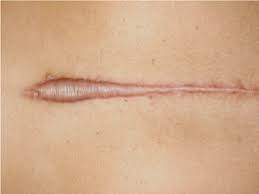
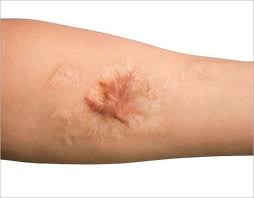
Raised, thickened scar tissue
-
Shiny, smooth surface
-
Itching, tenderness, or pain
-
Growth beyond the original wound area
Corn Symptoms:
-
Thick, hardened skin on toes or soles
-
Pain or tenderness when pressure is applied
-
Discomfort while walking or wearing shoes
-
Possible redness or inflammation in severe cases
Need An Appointment?
Drop Your Number here
Treatment Options for Keloids
Keloids can be challenging to treat but several effective options exist:
-
Topical Treatments:
-
Silicone gels or sheets to reduce thickness and smooth appearance.
-
Corticosteroid creams to reduce inflammation and itching.
-
-
Injections:
-
Corticosteroid injections directly into the keloid can flatten and soften the scar.
-
-
Surgical Removal:
-
Excision of keloids may be considered for large or painful scars but is often combined with other therapies to prevent recurrence.
-
-
Advanced Therapies:
-
Laser therapy to reduce redness and thickness.
-
Cryotherapy (freezing) for smaller keloids.
-
Radiation therapy in severe cases to prevent regrowth.
-
Treatment Options for Corns
Corns can often be treated with conservative measures:
-
Foot Care and Hygiene:
-
Soak feet in warm water and gently file thickened skin.
-
Apply moisturizers to prevent dryness.
-
-
Padding and Orthotics:
-
Cushioned pads or shoe inserts reduce friction and pressure.
-
-
Medical Treatments:
-
Salicylic acid treatments help dissolve the hardened skin.
-
Professional removal by a dermatologist or podiatrist may be needed for persistent or painful corns.
-
-
Preventive Measures:
-
Wear properly fitting shoes with adequate support.
-
Avoid prolonged pressure on certain areas of the feet.
-
Address structural foot issues with orthotic devices if necessary.
-
What Our Patients Say
Real experiences and feedback from patients treated by Dr. Nidhi Bansal for skin, hair, and laser care in Jaipur.
“Dr. Nidhi Bansal is an exceptional dermatologist. She listens patiently, diagnoses accurately, and provides effective, customized clinical treatments. Highly recommended for skin care in Jaipur.”
“I consulted with Dr Nidhi Bansal after one of my friends suggested. The doctor is very calm and well versed with the solutions. I definitely liked the way she made me understand my scalp and hair issues. I am very happy with my experience.”
“I was suffering from severe acne on my face. Dr Nidhi told me in detail about the treatment options and customized the procedures for my skin. My redness and acne have reduced noticeably and I am so happy with the care provided.”
“Best doctor! I always visit Dr Nidhi skin clinic whenever I have any skin problems. Dr. Nidhi is such a humble and trusted doctor. I was dealing with persistent pimples and marks, and after taking treatment here, my skin has cleared up significantly.”
“Dr. Nidhi Bansal listens with immense patience and explains the exact diagnosis and treatment path clearly. The clinic is extremely clean and welcoming. Highly recommended skin specialist in Jaipur.”
“Professional approach, polite staff, and genuine medical advice without unnecessary expensive procedures. Excellent experience at Bansal Skin Solutions for dermatological care.”
FAQs
A keloid is an overgrowth of tough, fibrous scar tissue that extends beyond the boundaries of an original skin injury (like a surgical cut, ear piercing, acne, or burn). It occurs due to an excessive collagen healing response.
Dr. Nidhi Bansal uses multimodal therapies including intralesional corticosteroid and 5-FU injections to flatten the lesion, silicone gel sheeting, radiofrequency ablation, and cryotherapy to reduce keloid volume and relieve itching.
A foot corn is a localized, cone-shaped thickening of dead skin caused by repetitive friction and pressure (ill-fitting shoes or walking biomechanics). Unlike warts, corns are not caused by a virus and are non-contagious.
No. Shaving or cutting corns at home with blades or pumice stones creates a high risk of bacterial infection and ulcers, particularly for diabetic patients. Safe clinical enucleation or radiofrequency removal by a dermatologist is recommended.
Wear comfortable footwear with wide toe boxes and cushioned soles, use silicone protective pads on pressure points, avoid walking barefoot on hard surfaces, and moisturize thick heels daily with urea-based creams.
Medical Advisory & Treatment Suitability
Clinical Suitability: All dermatological, hair loss, and aesthetic laser treatments require an in-person diagnostic evaluation with Dr. Nidhi Bansal (MBBS, MD Dermatology – RMC Reg. 36844) to assess suitability, skin/scalp type, and rule out medical contraindications.
Individual Response: Clinical outcomes, timelines, and required session counts differ between patients depending on individual physiological response, underlying etiology, and adherence to aftercare. Medical procedures do not guarantee uniform or permanent results.
Pre-Treatment Discussion: Possible transient side effects (such as mild redness, temporary swelling, or sensitivity) and home-care protocols are discussed transparently prior to beginning any procedure.