



Milia
Need An Appointment?
Drop Your Number here
Milia: Causes, Symptoms, and Effective Treatment Options
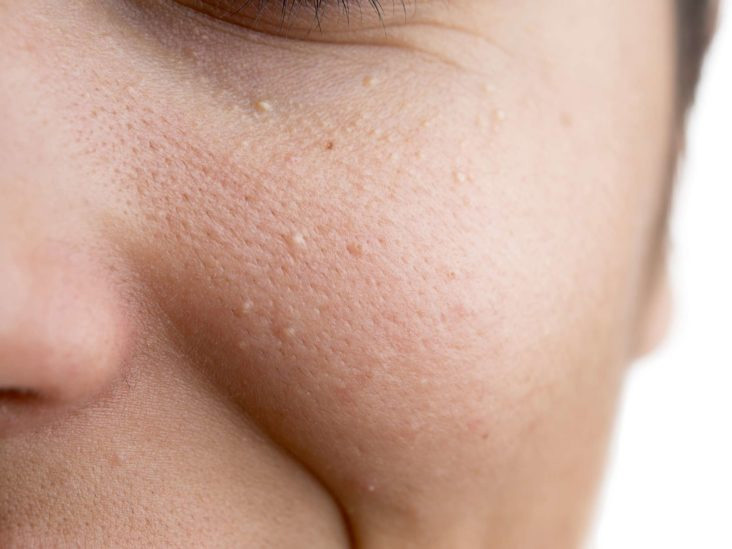
Milia are tiny, white or yellowish bumps that commonly appear on the skin, especially the face, around the eyes, cheeks, nose, and forehead. These small cysts form when keratin—a protein found in skin, hair, and nails—becomes trapped beneath the skin’s surface. While milia are generally harmless and painless, they can be aesthetically bothersome and may persist for weeks, months, or even years if not treated. Understanding the causes, symptoms, and treatment options is key to effectively managing milia and achieving smooth, healthy skin.
Causes of Milia
Milia occur when keratin is trapped beneath the outer layer of skin, forming small, hard cysts. Several factors can contribute to their development:
-
Primary Milia (Spontaneous):
These appear naturally, often in newborns, due to immature skin. They typically resolve on their own within a few weeks. -
Secondary Milia:
These develop as a result of skin damage caused by burns, blistering, trauma, or long-term use of heavy skincare products that clog pores. -
Skin Care and Cosmetic Products:
Using thick creams, oil-based products, or heavy makeup can block pores, trapping keratin and leading to milia formation. -
Sun Damage:
Excessive sun exposure can thicken the skin and contribute to the development of milia, especially around the eyes and cheeks. -
Medical Conditions and Genetics:
Rarely, milia may be associated with genetic disorders or certain skin conditions such as blistering diseases or conditions affecting the sweat glands.
Types of Milia
Milia can be classified based on their location and underlying cause:
-
Neonatal Milia:
Very common in newborns, these small white bumps appear on the nose, cheeks, and forehead. They usually disappear without treatment within a few weeks. -
Primary Adult Milia:
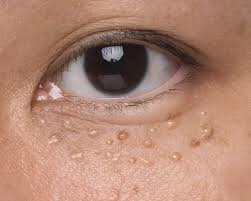
Occur spontaneously in adults, often around the eyes or cheeks. -
Secondary Milia:
Develop after skin trauma, burns, or use of certain medications. They are more persistent and may require treatment. -
Multiple Milia:
Sometimes milia can appear in clusters, especially after cosmetic procedures, chemical peels, or long-term use of steroid creams.
Need An Appointment?
Drop Your Number here
Symptoms of Milia
Milia are primarily cosmetic in nature and rarely cause discomfort. Common symptoms include:
-
Small, round, white or yellowish bumps on the skin
-
Firm texture and tiny in size, usually 1–2 millimeters in diameter
-
Commonly found on the face, around the eyes, cheeks, nose, and forehead
-
Painless and not associated with itching or redness unless irritated
Treatment Options for Milia
Although milia often resolve on their own, persistent or large lesions may require treatment. Treatment options include:
-
Professional Extraction:
Dermatologists can safely remove milia using a sterile needle or a small incision, followed by gentle extraction of the keratin-filled cyst. This method prevents scarring and recurrence. -
Topical Retinoids:
Retinoid creams promote cell turnover, helping prevent the formation of new milia and gradually reducing existing bumps. -
Chemical Peels:
Mild chemical peels using glycolic acid or salicylic acid exfoliate the skin, unclog pores, and improve skin texture, reducing milia formation. -
Laser Therapy:
For persistent or multiple milia, fractional laser or ablative laser treatments may be used to remove cysts and improve skin appearance. -
Cryotherapy:
Rarely used, cryotherapy involves freezing the milia with liquid nitrogen. It is generally reserved for stubborn cases.
What Our Patients Say
Real experiences and feedback from patients treated by Dr. Nidhi Bansal for skin, hair, and laser care in Jaipur.
“Dr. Nidhi Bansal is an exceptional dermatologist. She listens patiently, diagnoses accurately, and provides effective, customized clinical treatments. Highly recommended for skin care in Jaipur.”
“I consulted with Dr Nidhi Bansal after one of my friends suggested. The doctor is very calm and well versed with the solutions. I definitely liked the way she made me understand my scalp and hair issues. I am very happy with my experience.”
“I was suffering from severe acne on my face. Dr Nidhi told me in detail about the treatment options and customized the procedures for my skin. My redness and acne have reduced noticeably and I am so happy with the care provided.”
“Best doctor! I always visit Dr Nidhi skin clinic whenever I have any skin problems. Dr. Nidhi is such a humble and trusted doctor. I was dealing with persistent pimples and marks, and after taking treatment here, my skin has cleared up significantly.”
“Dr. Nidhi Bansal listens with immense patience and explains the exact diagnosis and treatment path clearly. The clinic is extremely clean and welcoming. Highly recommended skin specialist in Jaipur.”
“Professional approach, polite staff, and genuine medical advice without unnecessary expensive procedures. Excellent experience at Bansal Skin Solutions for dermatological care.”
FAQs
Milia are tiny, firm, white or yellowish keratin-filled cysts trapped just under the epidermis. They commonly occur around the eyes, cheeks, and nose due to dead skin buildup, heavy cosmetics, or sun damage.
No. Milia have a firm cyst wall beneath the surface and lack an open pore. Squeezing them at home causes skin trauma, bruising, infection, and permanent pitting or scarring.
Dr. Nidhi Bansal uses sterile microscopic de-roofing with a micro-lancet, radiofrequency micro-cautery, or gentle chemical exfoliation to safely extract the keratin core without damaging surrounding skin.
The procedure is virtually painless with topical numbing. A tiny pinpoint mark may be visible for 24 to 48 hours before healing completely, leaving smooth, blemish-free skin.
Incorporate gentle exfoliants like lactic or salicylic acid, use lightweight non-comedogenic eye creams and moisturizers, avoid pore-clogging heavy oils, and apply broad-spectrum sunscreen daily.
Medical Advisory & Treatment Suitability
Clinical Suitability: All dermatological, hair loss, and aesthetic laser treatments require an in-person diagnostic evaluation with Dr. Nidhi Bansal (MBBS, MD Dermatology – RMC Reg. 36844) to assess suitability, skin/scalp type, and rule out medical contraindications.
Individual Response: Clinical outcomes, timelines, and required session counts differ between patients depending on individual physiological response, underlying etiology, and adherence to aftercare. Medical procedures do not guarantee uniform or permanent results.
Pre-Treatment Discussion: Possible transient side effects (such as mild redness, temporary swelling, or sensitivity) and home-care protocols are discussed transparently prior to beginning any procedure.