



Warts
Need An Appointment?
Drop Your Number here
Warts: Causes, Types, Symptoms, and Treatment Options
Warts are small, rough, noncancerous growths that appear on the skin when it becomes infected with certain strains of the human papillomavirus (HPV). Though usually harmless, warts can be uncomfortable, unsightly, and contagious, spreading through direct contact or by sharing personal items. They can appear anywhere on the body, but are most common on the hands, feet, face, and genitals. Understanding the causes, types, and treatment options for warts helps in managing and preventing them effectively.
Causes of Warts
Warts are caused by infection with the human papillomavirus (HPV), a group of more than 100 related viruses. When the virus enters the skin through small cuts or abrasions, it triggers rapid growth of cells on the outer layer of the skin, forming a wart.
Key factors that increase the risk of developing warts include:
-
Weakened Immune System:
People with a compromised immune system, such as those with HIV or on immunosuppressive drugs, are more susceptible to warts. -
Skin Contact:
Warts can spread from person to person through direct skin contact or indirectly via surfaces like towels, razors, or shoes. -
Skin Injuries:
Damaged or broken skin provides an entry point for the virus. -
Moist Environments:
HPV thrives in warm, moist environments such as swimming pools, locker rooms, and public showers.
Types of Warts
Different strains of HPV cause different types of warts. The most common types include:
-
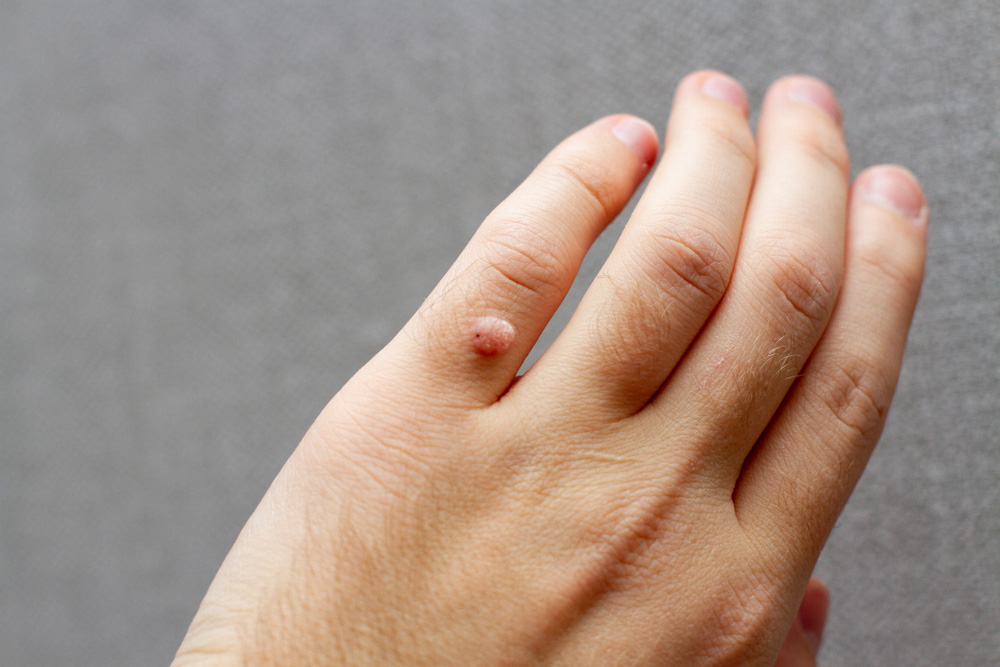
Common Warts (Verruca Vulgaris):
These are rough, raised bumps that typically appear on the hands, fingers, or around the nails. They are grayish or brown and may have black dots (clotted blood vessels). -
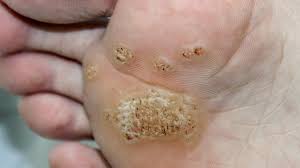
Plantar Warts:
Found on the soles of the feet, these warts can be painful due to pressure while walking. They often appear flat and may grow in clusters, known as mosaic warts. -
Flat Warts (Verruca Plana):
Smooth, flat-topped, and slightly yellow or pink, these warts often appear on the face, arms, or legs and are more common in children and teenagers. -
Filiform Warts:
These are long, narrow, thread-like growths that usually appear around the mouth, eyes, and nose. They can spread quickly if irritated during shaving or touching. -
Genital Warts:
Caused by specific strains of HPV, genital warts appear on the genital and anal areas. They are sexually transmitted and require medical treatment to prevent complications. -
Periungual Warts:
These warts grow under or around fingernails and toenails, causing pain and sometimes affecting nail growth.
Need An Appointment?
Drop Your Number here
Symptoms of Warts
Warts are usually painless, but depending on their type and location, they can cause discomfort. Common symptoms include:
-
Small, grainy bumps on the skin
-
Rough texture
-
Black dots (tiny clotted blood vessels)
-
Pain or tenderness (especially plantar warts)
-
Itching or irritation in affected areas
Treatment Options for Warts
While some warts may disappear on their own over time, medical treatment ensures faster and safer removal, especially for persistent or painful warts.
-
Topical Treatments:
-
Salicylic Acid: A common first-line treatment that removes layers of the wart gradually.
-
Trichloroacetic Acid: Used by dermatologists for stubborn warts.
-
Imiquimod Cream: Stimulates the immune system to fight the virus.
-
-
Cryotherapy (Freezing):
The wart is frozen with liquid nitrogen, causing it to blister and fall off after a few sessions. -
Electrocautery:
The wart is burned off using an electric current. This method is effective for small warts but may leave a small scar. -
Laser Therapy:
Used for deep or resistant warts, laser treatment destroys the wart tissue with focused light energy. -
Surgical Removal:
For large or recurring warts, minor surgery may be performed to cut out the wart under local anesthesia. -
Chemical Peels:
Used mainly for flat warts, chemical peels help exfoliate the skin and remove infected layers.
What Our Patients Say
Real experiences and feedback from patients treated by Dr. Nidhi Bansal for skin, hair, and laser care in Jaipur.
“Dr. Nidhi Bansal is an exceptional dermatologist. She listens patiently, diagnoses accurately, and provides effective, customized clinical treatments. Highly recommended for skin care in Jaipur.”
“I consulted with Dr Nidhi Bansal after one of my friends suggested. The doctor is very calm and well versed with the solutions. I definitely liked the way she made me understand my scalp and hair issues. I am very happy with my experience.”
“I was suffering from severe acne on my face. Dr Nidhi told me in detail about the treatment options and customized the procedures for my skin. My redness and acne have reduced noticeably and I am so happy with the care provided.”
“Best doctor! I always visit Dr Nidhi skin clinic whenever I have any skin problems. Dr. Nidhi is such a humble and trusted doctor. I was dealing with persistent pimples and marks, and after taking treatment here, my skin has cleared up significantly.”
“Dr. Nidhi Bansal listens with immense patience and explains the exact diagnosis and treatment path clearly. The clinic is extremely clean and welcoming. Highly recommended skin specialist in Jaipur.”
“Professional approach, polite staff, and genuine medical advice without unnecessary expensive procedures. Excellent experience at Bansal Skin Solutions for dermatological care.”
FAQs
Warts are caused by human papillomavirus (HPV) infections in the upper layers of the skin. They are contagious and can spread through direct skin contact, shared towels, or touching personal items.
We offer radiofrequency (RF) cautery, electrocautery, cryotherapy (freezing), and targeted chemical destruction. RF removal is quick, minimally invasive, and allows precise wart removal with minimal healing time.
No. Local anesthetic numbing cream or local infiltration is applied before the procedure, ensuring you feel comfortable and pain-free throughout the removal process.
Complete removal clears the existing wart. However, because the virus can remain dormant in surrounding skin, recurrence is possible if local immunity is low. Dr. Nidhi Bansal provides post-procedure care to minimize recurrence risk.
Never use over-the-counter acids or aggressive remedies on facial, neck, or genital warts, as they cause chemical burns, permanent scarring, and pigmentation. Professional clinical assessment by a dermatologist is essential.
Medical Advisory & Treatment Suitability
Clinical Suitability: All dermatological, hair loss, and aesthetic laser treatments require an in-person diagnostic evaluation with Dr. Nidhi Bansal (MBBS, MD Dermatology – RMC Reg. 36844) to assess suitability, skin/scalp type, and rule out medical contraindications.
Individual Response: Clinical outcomes, timelines, and required session counts differ between patients depending on individual physiological response, underlying etiology, and adherence to aftercare. Medical procedures do not guarantee uniform or permanent results.
Pre-Treatment Discussion: Possible transient side effects (such as mild redness, temporary swelling, or sensitivity) and home-care protocols are discussed transparently prior to beginning any procedure.