



Scar Excision
Need An Appointment?
Drop Your Number here
Scar Excision: Causes, Procedure, and Effective Results
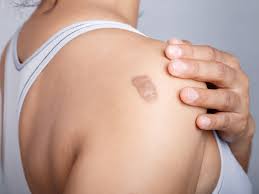
Scars are marks left on the skin after injury, surgery, acne, burns, or infections. While they are a natural part of the healing process, some scars can be raised, discolored, or extensive, affecting the appearance and confidence of an individual. Scar excision is a surgical technique used to remove or improve the appearance of such scars, offering a solution for patients seeking smoother and more even-toned skin. Understanding the causes of scars, the excision procedure, types of scars treated, and post-treatment care is essential for optimal results.
Causes of Scars
Scars form when the skin repairs itself after an injury. During the healing process, the body produces collagen fibers to close the wound. While this is a normal mechanism, excessive or irregular collagen formation can result in noticeable scars. Common causes include:
-
Trauma or Injury:
Cuts, abrasions, or accidents can leave deep or irregular scars if the wound heals improperly. -
Surgery:
Surgical incisions may leave linear scars or, in some cases, raised keloids if the healing process is excessive. -
Acne:
Severe acne can damage the skin, leading to pitted, rolling, or hypertrophic scars, particularly on the face and back. -
Burns:
Thermal or chemical burns can result in thick, uneven scars due to the damage to deeper skin layers. -
Infections:
Skin infections, such as abscesses or cellulitis, can leave scars once healed. -
Genetic Factors:
Some individuals are more prone to keloid or hypertrophic scarring due to genetic predisposition.
Types of Scars Treated with Scar Excision
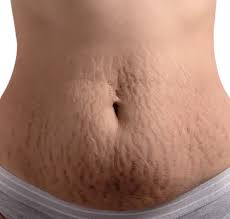
Scar excision can address a variety of scars, including:
-
Hypertrophic Scars:
Raised, red scars that remain within the boundaries of the original wound. -
Keloids:
Thick, raised scars that extend beyond the original wound, often growing over time. -
Acne Scars:
Depressed or pitted scars caused by severe acne, including ice pick, boxcar, and rolling scars. -
Traumatic Scars:
Irregular or wide scars caused by cuts, abrasions, or accidents. -
Surgical Scars:
Unattractive post-surgical scars that require refinement or removal for cosmetic purposes.
Need An Appointment?
Drop Your Number here
Benefits of Scar Excision
Scar excision offers several advantages:
-
Improved Appearance: Removes or minimizes visible scars, leading to smoother and more even skin.
-
Enhanced Confidence: Reduces self-consciousness associated with noticeable scars.
-
Targeted Treatment: Can address scars of various types, sizes, and locations effectively.
-
Long-Term Solution: Provides a permanent solution compared to temporary topical treatments.
Precautions and Post-Treatment Care
To ensure optimal results and prevent complications:
-
Avoid excessive sun exposure and use sunscreen on the treated area.
-
Follow the dermatologist’s instructions for wound care and medication.
-
Refrain from picking or scratching the treated area.
-
Attend follow-up appointments to monitor healing and detect any recurrence of abnormal scarring.
Conclusion
Scar excision is an effective and reliable solution for patients seeking to remove or improve the appearance of scars. Whether caused by acne, injury, surgery, or burns, this procedure can restore smooth, even-toned skin and boost self-confidence. With proper assessment, precise surgical technique, and diligent post-treatment care, scar excision offers long-lasting results and a significant improvement in skin appearance. Consulting an experienced dermatologist or plastic surgeon ensures safe treatment and optimal outcomes for every patient.
What Our Patients Say
Real experiences and feedback from patients treated by Dr. Nidhi Bansal for skin, hair, and laser care in Jaipur.
“Dr. Nidhi Bansal is an exceptional dermatologist. She listens patiently, diagnoses accurately, and provides effective, customized clinical treatments. Highly recommended for skin care in Jaipur.”
“I consulted with Dr Nidhi Bansal after one of my friends suggested. The doctor is very calm and well versed with the solutions. I definitely liked the way she made me understand my scalp and hair issues. I am very happy with my experience.”
“I was suffering from severe acne on my face. Dr Nidhi told me in detail about the treatment options and customized the procedures for my skin. My redness and acne have reduced noticeably and I am so happy with the care provided.”
“Best doctor! I always visit Dr Nidhi skin clinic whenever I have any skin problems. Dr. Nidhi is such a humble and trusted doctor. I was dealing with persistent pimples and marks, and after taking treatment here, my skin has cleared up significantly.”
“Dr. Nidhi Bansal listens with immense patience and explains the exact diagnosis and treatment path clearly. The clinic is extremely clean and welcoming. Highly recommended skin specialist in Jaipur.”
“Professional approach, polite staff, and genuine medical advice without unnecessary expensive procedures. Excellent experience at Bansal Skin Solutions for dermatological care.”
FAQs
We treat surgical scars, post-traumatic scars, chickenpox marks, hypertrophic scars, and deep acne scars (icepick, boxcar, and rolling scars) using medical and surgical dermatological approaches.
Scar excision involves surgically removing a wide, irregular, or tethered scar and meticulously re-closing the skin with delicate cosmetic plastic sutures along natural skin tension lines, creating a far narrower, flatter, and less noticeable mark.
Yes. Fractional CO2 lasers, microneedling radiofrequency (MNRF), subcision for tethered scars, chemical reconstruction (CROSS), and intralesional injections provide dramatic scar softening without surgical excision.
While no medical procedure can make a scar 100% disappear as if it never existed, advanced dermatological therapies can improve scar appearance, texture, and blend by 70% to 90%, making it blend seamlessly with surrounding skin.
Early intervention (within 6 to 12 weeks of injury or suture removal) with silicone gels, vascular lasers, and sun protection yields the highest reduction in scar visibility before scar tissue becomes rigid and mature.
Medical Advisory & Treatment Suitability
Clinical Suitability: All dermatological, hair loss, and aesthetic laser treatments require an in-person diagnostic evaluation with Dr. Nidhi Bansal (MBBS, MD Dermatology – RMC Reg. 36844) to assess suitability, skin/scalp type, and rule out medical contraindications.
Individual Response: Clinical outcomes, timelines, and required session counts differ between patients depending on individual physiological response, underlying etiology, and adherence to aftercare. Medical procedures do not guarantee uniform or permanent results.
Pre-Treatment Discussion: Possible transient side effects (such as mild redness, temporary swelling, or sensitivity) and home-care protocols are discussed transparently prior to beginning any procedure.