


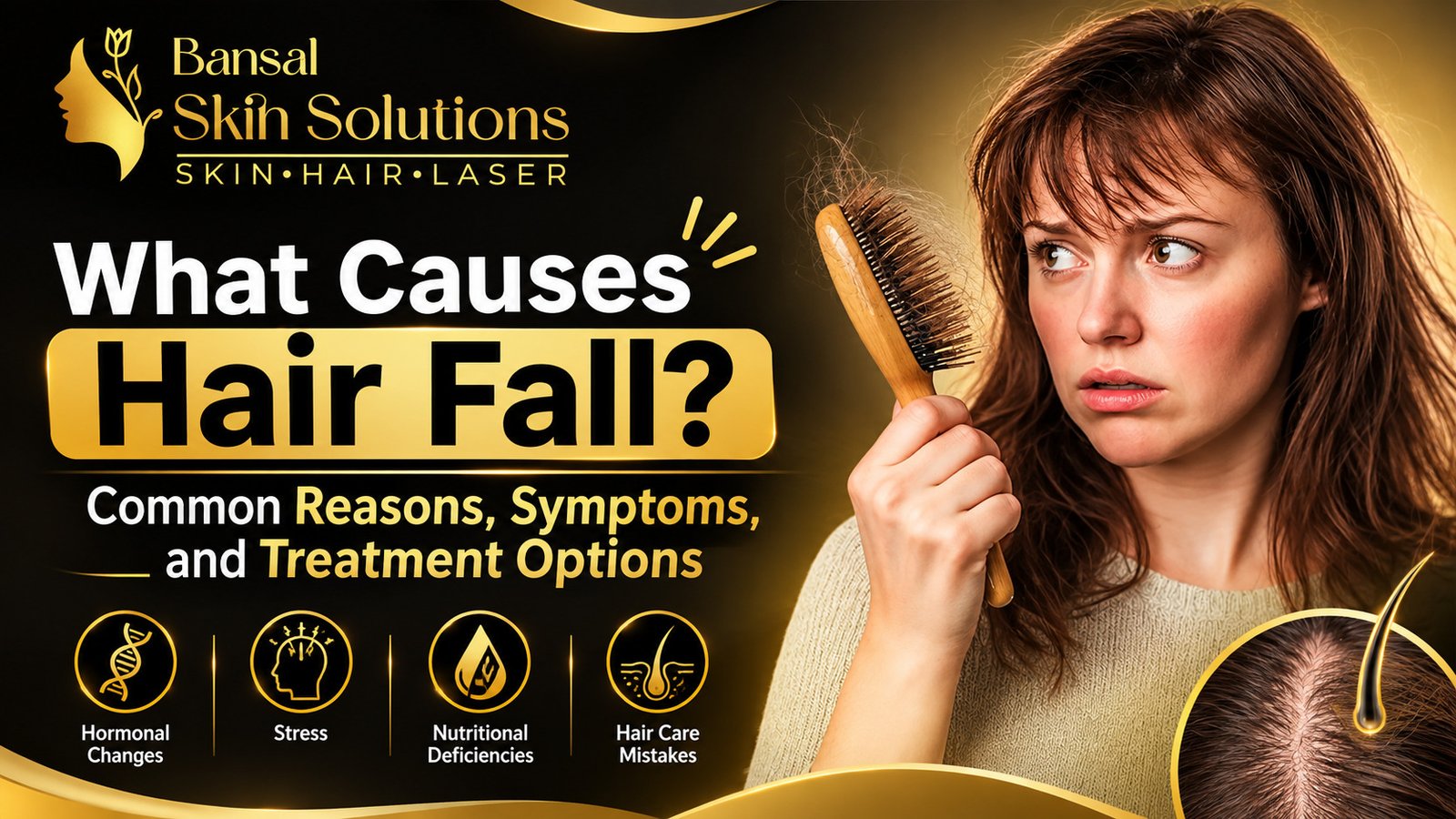
Hair fall is one of the most common hair-related concerns affecting both men and women. Losing a few strands every day is a natural part of the hair growth cycle, but excessive hair shedding, visible scalp patches, and gradual hair thinning may indicate an underlying problem. Factors such as nutritional deficiencies, hormonal changes, genetics, stress, medical conditions, and improper hair care can contribute to hair loss.
Understanding the common causes of hair fall is important for identifying the right treatment and preventing further hair thinning. While some types of hair loss are temporary and improve with proper care, others may require medical evaluation and professional treatment. If you are experiencing persistent hair loss, consulting a dermatologist can help identify the underlying cause and determine suitable treatment options.
For individuals experiencing persistent hair problems, seeking professional Hair Fall Treatment in Jaipur can help address the root cause through appropriate diagnosis, personalised treatment planning, and scalp care.
What Is Hair Fall and How Much Hair Loss Is Normal?
Hair fall refers to the shedding of hair strands from the scalp. It occurs naturally as part of the hair growth cycle, which consists of three main phases: anagen (growth phase), catagen (transition phase), and telogen (resting and shedding phase).
During the natural hair cycle, old hair strands fall out to make room for new growth. According to commonly used dermatological guidance, losing approximately 50–100 hair strands per day can be normal. However, when hair shedding increases significantly or hair does not grow back at the expected rate, it may result in noticeable hair thinning.
Excessive hair shedding can occur gradually or suddenly, depending on the underlying reason. Recognising the difference between normal hair fall and abnormal hair loss helps determine when professional evaluation is necessary.
What Are the Common Causes of Hair Fall?
Several internal and external factors can contribute to hair loss. Understanding these factors responsible for hair fall helps individuals identify possible triggers and seek appropriate care.
1. Nutritional Deficiencies
Healthy hair growth requires essential nutrients, including iron, protein, zinc, vitamin D, and vitamin B12. When the body does not receive sufficient nutrients, hair follicles may not function optimally.
Iron deficiency can affect the oxygen supply required by hair follicles, while inadequate protein intake may interfere with hair structure and growth. Certain vitamin and mineral deficiencies can also contribute to excessive hair shedding.
A balanced diet containing green vegetables, fruits, pulses, nuts, seeds, dairy products, and protein-rich foods supports overall hair health. However, nutritional supplements should only be taken when a deficiency is identified or a healthcare professional recommends them.
2. Hormonal Imbalance
Hormonal changes are among the common causes of hair fall in both men and women. Conditions affecting thyroid hormones, reproductive hormones, and androgen levels can influence the hair growth cycle.
Women may experience hair thinning during pregnancy, after childbirth, menopause, or due to conditions such as polycystic ovary syndrome (PCOS). In men, sensitivity to dihydrotestosterone (DHT) can contribute to androgenetic alopecia, commonly known as male-pattern hair loss.
Identifying the underlying hormonal condition is important because treating only the visible hair loss may not address the actual problem.
3. Stress and Emotional Pressure
Physical and emotional stress can disrupt the natural hair growth cycle. Major life events, prolonged work pressure, illness, surgery, or significant emotional distress may trigger a condition called telogen effluvium.
In this condition, a larger-than-usual number of hair follicles enter the resting phase, resulting in increased hair shedding. Hair fall may become noticeable around two to three months after the triggering event.
Stress-related hair loss is often temporary, but persistent shedding requires evaluation to rule out other medical or nutritional factors.
4. Genetic Factors
Genetics plays an important role in determining hair density, hairline patterns, and susceptibility to hair loss. Androgenetic alopecia is one of the most common forms of hereditary hair loss.
In men, it generally appears as a receding hairline or thinning around the crown. In women, it often causes gradual thinning over the top of the scalp, with a widening central hair part.
Although genetic hair loss cannot always be permanently reversed, early diagnosis and appropriate treatment can help slow progression and maintain existing hair.
5. Thyroid Disorders and Medical Conditions
Thyroid hormones regulate several metabolic functions, including processes associated with hair growth. Both hypothyroidism (underactive thyroid) and hyperthyroidism (overactive thyroid) may contribute to hair thinning.
Other medical conditions, including autoimmune disorders, scalp infections, and certain chronic illnesses, can also affect hair follicles.
A medical evaluation helps determine whether hair loss is associated with an underlying health condition.
6. Improper Hair Care and Chemical Treatments
Frequent heat styling, excessive chemical treatments, tight hairstyles, and harsh hair products can weaken hair strands and cause breakage.
Repeated pulling from tight ponytails, braids, or buns may lead to traction alopecia. Excessive use of straightening treatments, bleaching products, and chemical relaxers can also damage the hair shaft.
Maintaining a gentle hair care routine, avoiding excessive heat, and choosing suitable hair products can help reduce preventable hair damage.
What Are the Common Symptoms of Hair Loss?
Hair loss does not always begin with sudden or excessive shedding. In many cases, the initial signs develop gradually and may go unnoticed.
Some common symptoms include:
- Increased hair shedding: Losing more hair than usual while washing, brushing, or styling.
- Gradual hair thinning: Reduced hair density, particularly around the crown or top of the scalp.
- Receding hairline: Gradual movement of the hairline, commonly observed in male-pattern hair loss.
- Widening hair part: A wider visible scalp area along the central hair part, often noticed by women.
- Patchy hair loss: Small, round, or irregular areas of missing hair.
- Weak and brittle hair: Hair strands that break easily due to damage or other contributing factors.
- Visible scalp: Increased visibility of the scalp because of reduced hair density.
Recognising these symptoms early can help individuals seek timely diagnosis and prevent certain types of hair loss from progressing.
What Causes Sudden Hair Fall?
Sudden hair fall can be concerning, especially when a person notices significantly more hair shedding within a short period. Several factors can trigger this condition.
Common causes include nutritional deficiencies, high fever, severe infections, physical or emotional stress, major surgery, hormonal changes, and certain medications.
Telogen effluvium is a common explanation for sudden diffuse hair shedding. However, sudden patchy hair loss may indicate alopecia areata, an autoimmune condition in which the immune system attacks hair follicles.
If sudden hair loss is accompanied by scalp redness, itching, pain, scaling, or inflammation, medical evaluation becomes particularly important.
What Are the Available Hair Fall Treatment Options?
The right treatment depends on the type of hair loss, its underlying cause, severity, and the patient's overall health. There is no single treatment that works for every hair fall condition.
People looking for Hair Fall Treatment in Jaipur should consider a professional consultation to identify the actual cause before starting any treatment.
1. Medical Hair Fall Treatment
Dermatologists may recommend topical or oral medications depending on the diagnosis. Minoxidil is a commonly used treatment for certain types of hair loss, particularly androgenetic alopecia.
In some cases, doctors may prescribe other medications based on the patient's medical history, age, gender, and underlying condition. Treatment should always be taken under medical supervision because medications may have side effects and specific suitability requirements.
2. PRP Hair Treatment
Platelet-Rich Plasma (PRP) therapy is a treatment that uses a concentrated portion of the patient's own blood platelets. A blood sample is collected and processed to prepare platelet-rich plasma, which is then injected into selected areas of the scalp.
PRP is used in some cases of hair thinning and androgenetic alopecia. It may help improve hair density in suitable patients, although treatment outcomes vary and multiple sessions may be required.
3. GFC Hair Treatment
Growth Factor Concentrate (GFC) therapy is another regenerative treatment used for selected hair loss conditions. It involves preparing a growth-factor-rich concentrate from the patient's blood and administering it into the scalp.
The objective is to support the hair follicle environment and improve hair growth in appropriate candidates. However, results can vary, and patients should discuss the available clinical evidence, expected benefits, and limitations with their dermatologist.
4. Nutritional and Lifestyle Management
If hair fall is associated with nutritional deficiencies or lifestyle factors, correcting these issues may help improve hair health.
A balanced diet, adequate protein intake, sufficient sleep, stress management, and regular physical activity support overall health and normal hair growth.
Supplements should not be considered a universal solution because excessive intake of certain vitamins and minerals can also be harmful.
5. Hair Transplantation
Hair transplantation may be considered for individuals experiencing permanent hair loss, particularly in selected cases of androgenetic alopecia.
The procedure involves transferring hair follicles from a donor area to areas affected by hair loss. A specialist evaluates donor hair availability, the pattern of hair loss, and long-term expectations before recommending surgery.
When Should You Consult a Dermatologist for Hair Fall?
Not every instance of hair shedding requires medical treatment. However, persistent or unusual hair loss should not be ignored.
Consider consulting a dermatologist if you experience sudden excessive shedding, visible scalp patches, progressive hair thinning, a receding hairline, or hair loss accompanied by scalp irritation.
A dermatologist may examine the scalp, review your medical history, and recommend blood tests when necessary. Depending on the symptoms, investigations may include thyroid function, iron levels, or other nutritional assessments.
Early consultation helps identify treatable conditions and prevents unnecessary use of hair products or treatments that may not address the actual cause.
How Can You Prevent Excessive Hair Shedding?
Although some forms of hair loss are hereditary or medically influenced, certain habits can help maintain healthy hair and minimise avoidable damage.
Follow a balanced diet with adequate protein, iron, vitamins, and minerals. Avoid tight hairstyles that repeatedly pull on hair roots. Limit excessive heat styling and harsh chemical treatments. Use gentle shampoos and conditioners suitable for your scalp and hair type.
Manage stress, maintain a regular sleep schedule, and avoid unnecessary supplements or unverified hair growth products. Most importantly, address persistent scalp problems and underlying health conditions with professional guidance.
Conclusion
Hair fall can develop due to several reasons, including nutritional deficiencies, hormonal changes, genetics, stress, medical conditions, and improper hair care. While some hair shedding is a normal part of the hair growth cycle, excessive or persistent hair loss may require medical attention.
Understanding the common causes of hair fall, recognising early symptoms, and choosing the right treatment can make a significant difference in managing hair health. Whether the concern involves gradual thinning, sudden shedding, or hereditary hair loss, a personalised approach is essential.
If you are experiencing ongoing hair loss, consulting a qualified dermatologist for Hair Fall Treatment in Jaipur can help identify the underlying cause and determine suitable options, such as medical management, PRP, GFC, or other clinically appropriate treatments